

Water is the enemy of a modern diesel fuel system. Today's high-pressure common-rail injectors run to incredibly tight tolerances, and water — which doesn't lubricate — chews them up fast.
How water gets in
Condensation in the tank (worst with a half-empty tank through temperature swings), bad fuel from a station, a leaking cap or seal, or a fuel-water separator that never gets drained. On the Pacific Northwest coast, humidity and cold nights make tank condensation a real, year-round contributor.
The warning signs
- A water-in-fuel (WIF) warning light — don't ignore it
- Rough running, misfire or a stumble, especially under load
- Low power and hard starting
- White smoke and unusual injector noise
- In cold weather, water in fuel can freeze and block lines
Why it gets expensive fast
Diesel fuel lubricates the injection system. Water doesn't — it flashes to steam at the injector tip and can pit and corrode injectors and the high-pressure pump. A drained separator and a filter is cheap; a set of common-rail injectors or an HPFP is very much not. Catching water early is the difference between a filter change and a fuel-system rebuild.
What we do
We check the fuel-water separator and drain it, test for water in the tank and lines, replace fuel filters, and inspect the injectors and pump for damage if water has been in the system a while. Then we sort out where it's getting in — cap, seal, separator habits or bad fuel — so it doesn't come back.
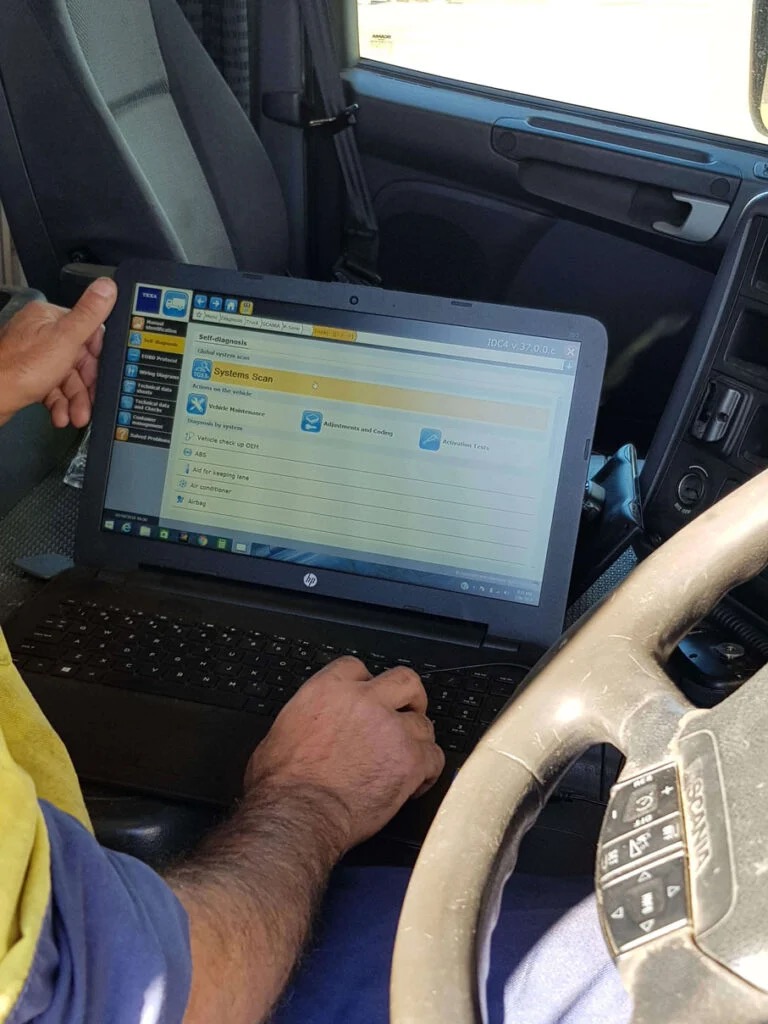
Need diesel diagnostics? Long Road Repair handles it in-shop and mobile across the South Puget Sound. See our diesel diagnostics service or call and talk to a real tech.
FAQ
What happens if there's water in my diesel fuel?
Water doesn't lubricate like diesel, so it corrodes and pits injectors and the high-pressure pump — an expensive failure. It also causes rough running, low power and hard starts, and can freeze in cold weather. Catch it early.
How do I know if I have water in my fuel?
A water-in-fuel warning light, rough running or misfire under load, low power, hard starts, or white smoke. Draining the fuel-water separator and finding water confirms it.
How does water get into a diesel tank?
Condensation (worse with a half-full tank and temperature swings), bad fuel, a leaking cap or seal, or a separator that's never drained. We find the source so it doesn't recur.
Should I drain my fuel-water separator myself?
Draining it on schedule is good practice and cheap insurance. If the light keeps coming on or the truck runs rough, bring it in before the injectors take damage.
Truck down? Let's get you rolling.
Book your truck or trailer in, or call and talk to a real tech.
Book a repair →Call (425) 900-6212