
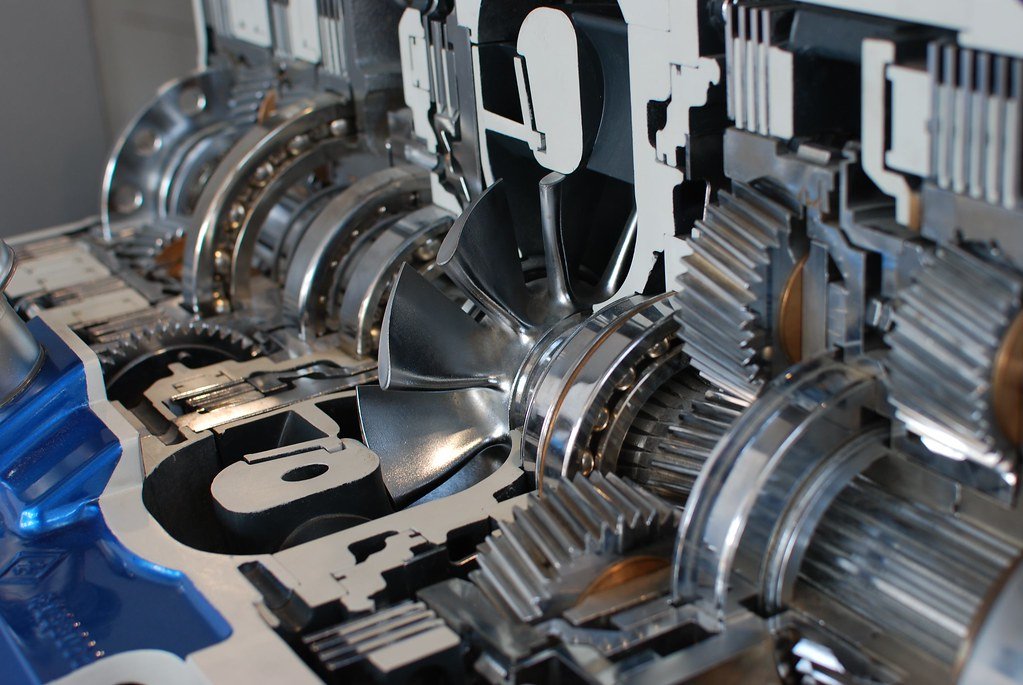
The clutch is a wear item — it's supposed to be replaced eventually. The goal is to catch it before it strands you or takes expensive parts down with it.
The warning signs
- Slipping — engine RPM climbs but road speed doesn't follow, especially under load or up a grade
- Chatter or shudder when you let it out from a stop
- Hard engagement / grinding into gear — often a worn clutch brake or an out-of-adjustment clutch
- A high or soft pedal and difficulty finding gears
- A burnt smell after a hard pull
Adjustment vs. replacement
Not every clutch complaint is a replacement. Many heavy-truck clutches are adjustable, and a clutch that's simply out of adjustment can grind, drag or engage high. Catching that early — a quick adjustment — can add real life. But once the disc is worn to the rivets or it's slipping under load, adjustment won't save it, and running it slipping just glazes the flywheel.
What a replacement involves
Replacing a heavy-truck clutch means pulling the transmission — so it's labor-heavy, which is exactly why you do it right while you're in there: new clutch, inspect the flywheel and resurface or replace as needed, a new release/throwout bearing and clutch brake, and check the input shaft and seals. Doing all of it at once is far cheaper than going back in six months for the part you skipped.
What we do
We check clutch adjustment and wear first — sometimes that's the whole fix. When it's time to replace, we do the complete job and road-test it, so you get a clean, predictable pedal and a clutch that lasts.
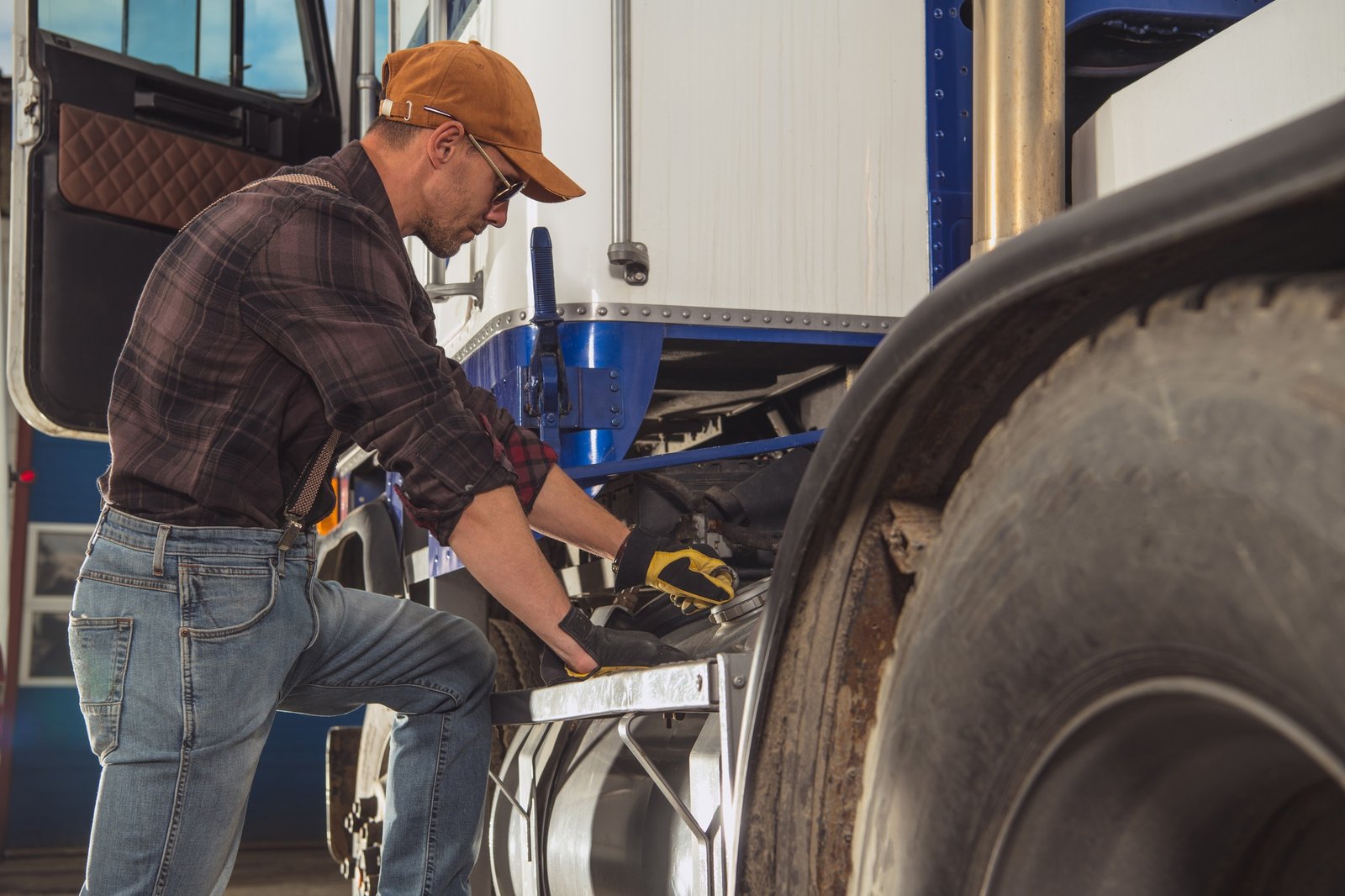
Need clutch & transmission repair? Long Road Repair handles it in-shop and mobile across the South Puget Sound. See our clutch & transmission repair service or call and talk to a real tech.
FAQ
How do I know if my clutch is slipping?
If engine RPM rises but the truck doesn't accelerate to match — especially under load or climbing — the clutch is slipping. A burnt smell after a hard pull confirms it. Don't keep driving it slipping; it glazes the flywheel.
Can a clutch just be adjusted instead of replaced?
Sometimes. Many heavy-truck clutches are adjustable, and grinding or high engagement can be an adjustment issue. We check that first — but a worn or slipping clutch needs replacement.
Why replace the clutch brake and bearing at the same time?
The big cost is pulling the transmission. Since it's already out, replacing the release bearing, clutch brake and inspecting the flywheel avoids paying that labor twice.
How long does a clutch job take?
It's a full day of work in most cases because the transmission comes out. We give you a firm estimate and timeline before we start.
Truck down? Let's get you rolling.
Book your truck or trailer in, or call and talk to a real tech.
Book a repair →Call (425) 900-6212